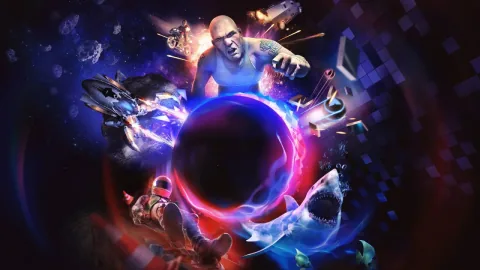
重點資訊
Launched on Oct. 13, 2016, the PlayStation VR was initially viewed as a mainstream turning point for virtual reality. While competitors like the Oculus Rift and HTC Vive required expensive gaming PCs, Sony’s headset offered a more accessible, plug-and-play experience for PlayStation 4 owners, despite its complex cable setup.
The platform struggled initially with a lineup of titles that felt like tech demos. However, 2018 marked a significant turning point with the release of "killer apps" such as Tetris Effect, Moss, and Astro Bot: Rescue Mission. By August 2018, the device had sold three million units, cementing its place in the console market.
By 2020, the headset began to feel outdated compared to newer hardware like the Oculus Quest 2 and the release of Half-Life: Alyx on other platforms. Although Sony launched the more powerful PlayStation VR 2 in 2023, the device faced waning mainstream interest. Sony eventually released a PC adapter in 2024, signaling a shift away from console-exclusive VR.
As of 2026, the VR industry has largely contracted, with many developers pivoting to flat-screen games or closing entirely. Sony has reportedly transferred several VR-related patents to Meta, effectively ending its decade-long experiment. While enthusiast-led projects and niche mods continue to emerge, the broader race for mainstream VR dominance has concluded.