
Key information
Video games are frequently blamed for youth anxiety, isolation, and sleep issues, yet research suggests a more nuanced reality. According to the charity director for Safe In Our World, games can serve as vital tools for social connection, ADHD management, and building competence for isolated teenagers.
The impact of gaming depends heavily on context rather than the medium itself. While some online spaces may foster unhealthy habits, others provide environments for problem-solving, leadership, and belonging. Safe In Our World emphasizes that a healthy experience is defined by whether a child feels better after playing and whether adults engage with that world rather than dismissing it.
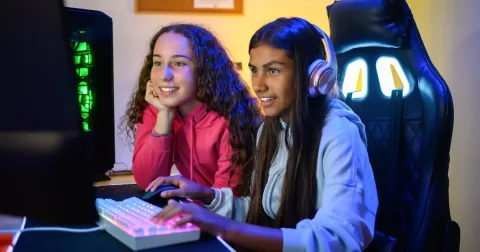
Blanket bans are criticized as ineffective because they ignore the underlying needs games fulfill, such as friendship or creative expression. Instead, experts advocate for parental curiosity. Guardians are encouraged to play alongside their children, utilizing features like Roblox's “Family Zone” to assess the value of the games and strengthen their bond.
World Mental Health Day serves as a reminder to move beyond fear-driven narratives. Safe In Our World continues to partner with clinicians and studios to provide parents with practical tools, arguing that ignoring the content of these digital spaces poses a greater risk than the games themselves.


