
Key information
During the 1990s, the PC gaming industry experienced a unique era defined by "level packs," which were collections of maps for first-person shooters like Duke Nukem 3D and Quake. These products occupied an amorphous space between official expansions and community mods, often sold as boxed retail items.
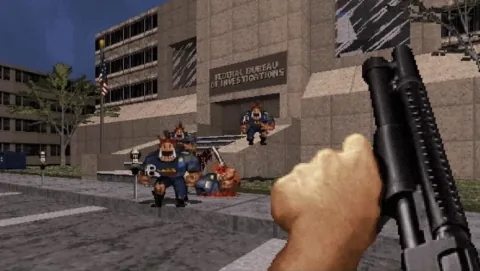
While sanctioned developers like Sunstorm Interactive produced well-regarded content, the market was a digital Wild West. Designers like Charlie Wiederhold utilized superior Build engine tools to push technical boundaries, creating content for titles such as Duke Caribbean and Duke It Out in DC.
The industry lacked regulation, leading to the release of unauthorized, low-quality shovelware. Companies like Micro Star Software bundled user-created maps without curation, resulting in products like the Nuke It series. This practice eventually triggered a significant legal confrontation.
The 1998 landmark case Micro Star v. FormGen established that video game mods are derivative works, requiring copyright holder consent. This ruling effectively ended the era of unregulated commercial level packs, formalizing the distinction between official expansions and community-driven mods that persists today.


