
Key information
The smartphone industry has shifted away from compact devices, which were once defined by screens under 6 inches. Today, devices marketed as compact typically feature displays of at least 6.3 inches, leaving those who prefer one-handed operation with few options.
Technical demands drive this change, as modern hardware requires high-capacity batteries, often 5000 mAh or more, to support 120Hz refresh rates, 5G connectivity, and console-quality gaming. Engineers face significant challenges fitting these components, along with large camera sensors and cooling systems, into smaller chassis without causing overheating or severe battery limitations.
Consumer habits have also evolved, with users now prioritizing high-resolution video streaming and graphically intensive mobile gaming. Larger screens provide a superior visual experience, reducing the need for zooming and eye strain, which has led manufacturers to favor larger displays over compact designs.
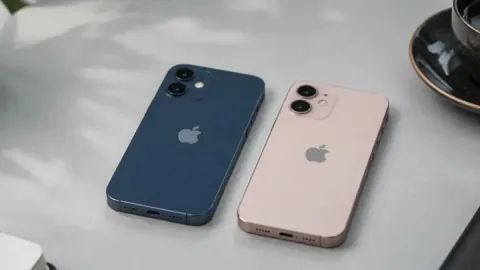
Despite vocal online support for smaller phones, actual sales figures do not reflect this demand. Apple's discontinuation of the iPhone 13 Mini highlights the business reality where high research costs for compact engineering fail to yield competitive profits compared to larger models, pushing the industry toward massive or foldable devices.


