
Key information
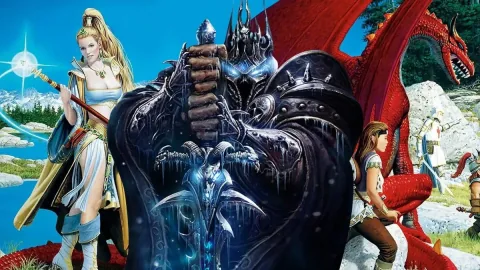
Massively multiplayer online role-playing games (MMORPGs) pioneered the live-service model, establishing persistent worlds that evolved through subscriptions and microtransactions. Titles like Ultima Online, EverQuest, and World of Warcraft defined the genre's golden age, fostering deep communal bonds within immersive digital environments. These games functioned as virtual societies where players lived out long-term fantasies together.
Modern live-service games have shifted focus toward shorter, high-intensity play cycles, often utilizing battle passes and seasonal content. Unlike the narrative-rich, quest-driven structure of early MMORPGs, contemporary titles like Apex Legends and Call of Duty prioritize rapid combat sessions. This transition reflects a broader industry move away from centralized, persistent worlds toward fragmented, transient experiences.
Veteran developers, including Bill Trost and Starr Long, note that the high cost of investment and changing player attention spans make launching new MMORPGs increasingly difficult. Trost suggests that the high table stakes required for public consideration make such projects hard to justify, even for major companies like Amazon, whose New World title is set to close.
Today, platforms like Roblox represent the next evolution, where players act as creators within an ecosystem of user-generated worlds. While traditional MMORPGs remain active, the industry has largely moved toward these flexible, player-driven hubs, leaving the original genre to occupy a more niche, albeit enduring, space in the gaming landscape.


