
Key information
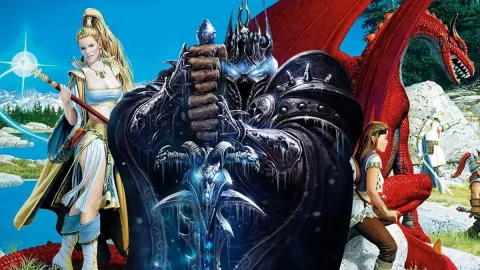
Massively multiplayer online role-playing games (MMORPGs) pioneered the live-service model, offering persistent worlds that evolved through expansions and subscriptions. Titles like Ultima Online, EverQuest, and World of Warcraft defined the genre by fostering deep communal experiences within immersive fantasy settings, contrasting with the shorter, combat-focused cycles of modern live-service games.
Mechanically, these games relied on world-building and player autonomy. Ultima Online introduced the concept of a changing virtual world, while World of Warcraft revolutionized quest systems with extensive, narrative-driven chains. Developers like Jeff Kaplan and Bill Trost emphasize that success stemmed from facilitating player-led communities rather than rigid design.
Despite their legacy, the genre faces significant hurdles. Bill Trost notes that high development costs make it difficult to justify the investment, especially as market preferences shift toward shorter play sessions. Furthermore, modern platforms like Roblox have decentralized community building, moving away from the centralized hubs that defined early MMORPGs.
While some classics remain operational, the landscape has changed. New titles like Aion 2 and upcoming projects like Guild Wars 3 continue to emerge, yet the industry has largely pivoted toward battle passes and seasonal content. The challenge for future developers remains balancing innovation with the high expectations of a niche, evolving audience.


