Key information
In a recent interview with Dengeki Online, Silent Hill series producer Motoi Okamoto and Fatal Frame creator Makoto Shibata discussed why Japanese horror games frequently center on female characters. The developers attribute this trend to the historical settings of their titles, specifically the Showa era spanning 1926 to 1989.
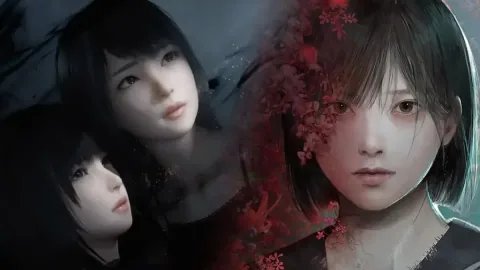
Shibata notes that Fatal Frame II: Crimson Butterfly Remake is set in the 1980s, before mobile phones existed. He suggests that utilizing such past eras evokes a gothic horror atmosphere, drawing upon local traditions and mysterious environments. Similarly, Okamoto explains that Silent Hill f is set in the 1960s, a period where folklore and supernatural beliefs remained integral to daily life.
Okamoto and Shibata highlight that these narratives often explore the oppression of women within patriarchal societies. By depicting female characters who suffer injustice and return as vengeful spirits, developers can emphasize themes of silence and societal pressure. Okamoto notes that this tradition is exemplified by the famous ghost story Yotsuya Kaidan, where the character Oiwa embodies suffering that persists beyond death.
Mechanically, this focus dictates gameplay design. Shibata explains that Fatal Frame requires players to understand a spirit's background rather than simply defeating them physically. He argues that using a female protagonist is essential for this empathetic approach, as a male lead might instead default to combat, undermining the thematic connection between the living protagonist and the vengeful ghosts.