Key information
Gaming peripherals have shifted from the standard 1,000 Hz polling rate to 8,000 Hz, promising a reduction in latency from 1 millisecond to 0.125 milliseconds. While this transition is marketed heavily toward esports, the practical necessity of such high polling rates is questionable for the average user.
The primary benefit of higher polling rates is reduced click latency and smoother movement. However, the jump from 1,000 Hz to 8,000 Hz offers diminishing returns, as the latency improvement is less than one millisecond, which is difficult for most users to perceive.
Adopting 8,000 Hz polling rates introduces significant drawbacks. High polling rates demand more CPU resources, potentially causing performance hits on weaker systems. Furthermore, wireless mice suffer from drastically reduced battery life; for instance, the Corsair Sabre v2 Pro Wireless drops from 120 hours at 1,000 Hz to 21 hours at 8,000 Hz.
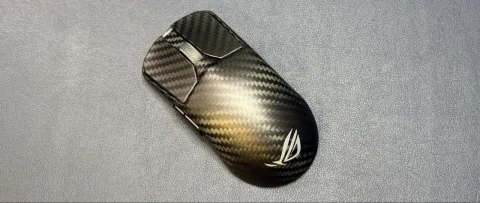
While flagship models like the Razer DeathAdder V4 Pro and Asus ROG Harpe Ace Extreme feature this technology, budget options like the $50 Redragon M916 ULT also exist. Ultimately, while these mice are available across various price points, the consensus suggests that most users do not require 8,000 Hz performance.