Key information
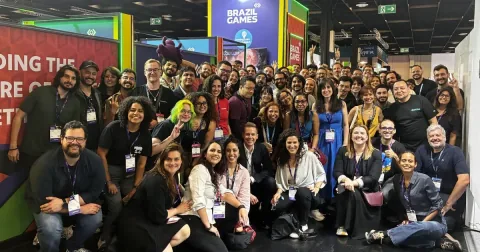
Brazil is actively pursuing soft power through video games, with Abragames president Rodrigo Terra stating an ambition to position the country among the top five game producers globally in less than 10 years. According to Patricia Sato, executive manager of the Brazil Games export program, the initiative aims to expand international perception beyond traditional stereotypes like football, samba, and carnival, allowing players to discover diverse aspects of Brazilian culture through locally developed titles.
The country's game sector has experienced significant regulatory and institutional growth. A legal framework adopted a couple of years ago redefined video games under the law, introduced investment incentives, and created new business opportunities. Additionally, the Ministry of Labour recently recognized four specific video game professions as of June, moving away from generic software developer titles to officially register producers, game designers, game narrative specialists, and game artists.
Abragames is also strengthening international ties by focusing on Asian markets such as Japan, Korea, China, Thailand, Vietnam, and Malaysia, noting strong expansion interest from Korean firms. Regionally, Newzoo's Global Games Market Report, released last month, projected that Latin American player numbers will rise by 4.7% in 2026 to 394 million. Furthermore, Latin American game revenues are predicted to reach $9.3 billion in 2026, marking a 7.9% year-on-year increase.