Key information
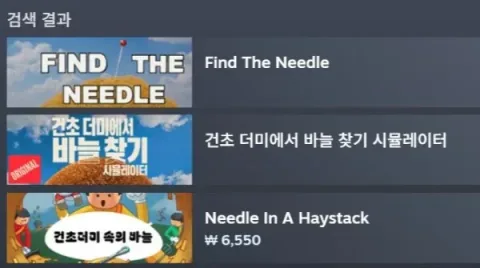
The rise of generative AI has led to a surge in copycat games that exploit reverse engineering to steal unique indie titles. This trend threatens the livelihoods of developers, as malicious actors use AI to replicate core mechanics from trailers or demos, often releasing low-quality clones before the original games even launch.
Advanced AI tools, such as multi-agent systems like OpenAI's GPT-6 Astra, allow users to generate code, logos, and store pages rapidly. By inputting core ideas, developers can create functional prototypes of complex games in days, facilitating the mass production of low-quality content that mimics original concepts.
The impact on developers is severe, ranging from extortion attempts to the loss of market share. For instance, Studio At Home reported receiving a threat demanding 200 dollars in Steam items to prevent the release of an AI-generated clone. Additionally, developers are increasingly forced to cancel public demos or restrict development updates to avoid becoming targets for copycats.
Current legal and platform protections remain inadequate. While platforms like Steam require disclosure of AI usage, they lack effective measures to block or penalize plagiarized content. Experts note that copyright law struggles to protect game mechanics and ideas, leaving individual developers to bear the burden of proving similarity and requesting removals.