Key information
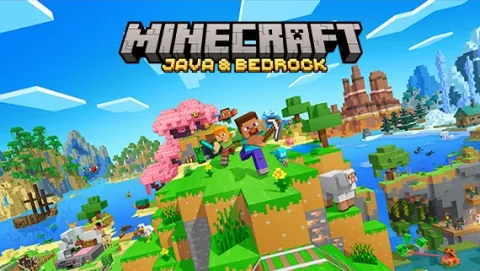
The live-service model has transformed the gaming industry into a high-stakes competition where only the top titles thrive. Originating from Minecraft Survival Games in 2012, the battle royale genre exploded with PlayerUnknown's Battlegrounds and Fortnite. These titles set a standard for massive, ongoing engagement that many publishers now struggle to replicate.
Industry veterans like Mark Darrah and Jeff Kaplan highlight the difficulty of entering this saturated market. Darrah notes that unless a studio can realistically dethrone the top two players, the effort is often futile. This environment forces developers to compete not just with new releases, but with established games that have benefited from years of refinement.
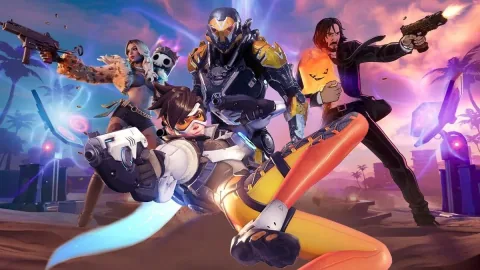
Failed attempts like BioWare’s Anthem and Sony’s Concord illustrate the risks of chasing these trends. Anthem suffered from a confused identity and corporate pressure to meet aggressive profit margins, while Concord arrived too late to compete with established hero shooters. Both projects faced significant development challenges and ultimately failed to sustain player interest.
Despite a recent decline in the battle royale sub-genre, major publishers remain committed to live-service models. Experts warn that prioritizing business metrics over creative entertainment risks inverting the industry's core values, potentially leading to a future where only a few dominant titles remain.