关键信息
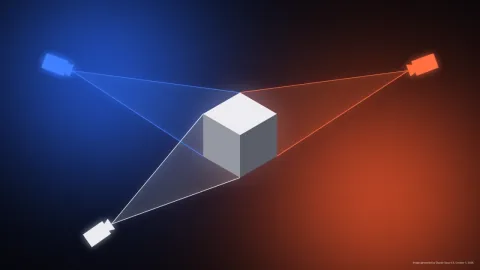
Choosing a camera perspective is a foundational decision in game design that dictates player control, level layout, and the overall feel of the experience. According to Unity, this choice effectively categorizes a game within a specific genre and sets player expectations regarding gameplay mechanics.
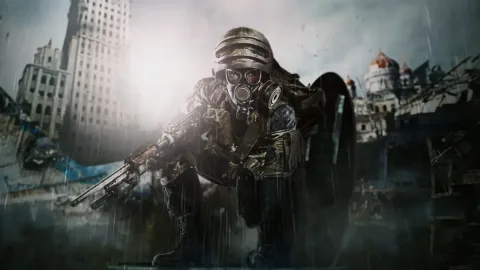
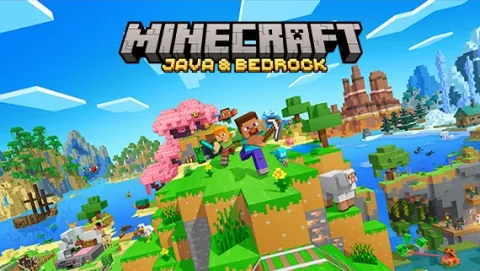
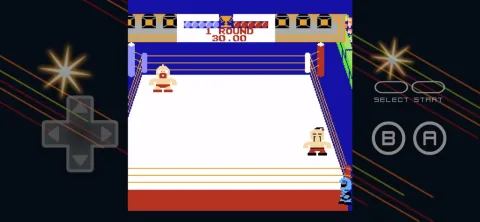
Common perspectives include fixed views for puzzle games, side-scrolling for platformers, and top-down or isometric angles for strategy and simulation titles. While top-down and isometric views offer a broad overview of the world, third-person and first-person perspectives prioritize immersion by placing the player directly into the action.
Each view presents unique challenges. For instance, side-scrolling requires careful management of forward visibility, while third-person cameras must avoid obstructions like walls. First-person views can cause motion sickness, necessitating features like adjustable fields of view to ensure player comfort.
Developers are encouraged to evaluate their needs by considering what information players must see and the desired level of intimacy. Unity suggests that creators can even switch perspectives during gameplay to suit specific moments, provided each transition serves a clear purpose. These decisions should be finalized early, as they significantly impact level design and art requirements.