Mahalagang impormasyon
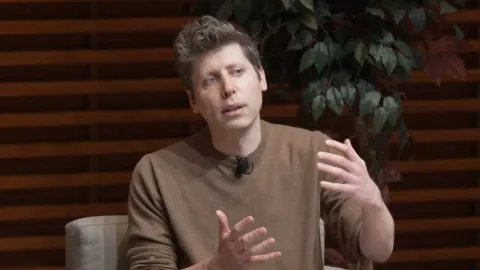
OpenAI CEO Sam Altman recently addressed the escalating cybersecurity risks posed by rapidly advancing artificial intelligence. Speaking at the Stanford Graduate School of Business, Altman argued that organizational leaders and nations have failed to fully grasp the exponential growth of AI capabilities, which now threaten to outpace conventional security measures.
Altman stated that he no longer believes it is feasible to rely on patching individual software bugs to maintain security. He suggested that AI models are becoming sophisticated enough to identify vulnerabilities that fall outside traditional threat models, rendering standard defensive strategies increasingly ineffective against modern automated exploits.
To counter these threats, Altman proposed a fundamental shift in the defense model, advocating for the use of AI technology itself to create new types of security shields. This perspective follows recent events, such as the discovery of critical PHP vulnerabilities by AI, which highlighted the limitations of manual patching procedures in an era of AI-driven threats.
While some observers note the irony of relying on AI to solve problems potentially exacerbated by the technology, the rapid evolution of these tools remains a significant concern. As bad actors continue to leverage AI for malicious purposes, the industry faces an ongoing struggle to distinguish between defensive and offensive applications of these powerful systems.