Thông tin chính
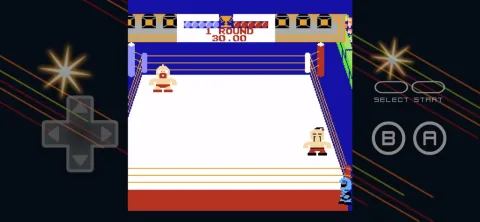
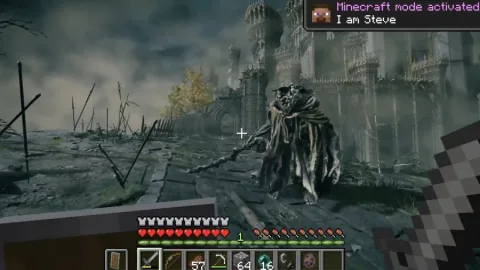
The rise of AI models like Anthropic’s Claude Opus 5.5 has facilitated reverse engineering, allowing users to decompile executable files and analyze internal software structures. This capability has enabled the creation of unauthorized clone software and complex game modifications, including mashup mods that combine gameplay from multiple titles.
These modifications often rely on understanding proprietary code, which is typically protected by platform terms of service, such as those for Steam or Nintendo Switch. While reverse engineering is not universally illegal, it frequently violates individual game licenses and can lead to copyright infringement, as seen with the removal of videos featuring unauthorized character crossovers.
Recently, some users reported that Claude has begun interrupting responses, citing safety checks when tasked with reverse engineering. According to Kotaku, these reports suggest a potential tightening of restrictions on the model's analytical capabilities.
Anthropic has not officially confirmed these changes, leaving the status of such restrictions uncertain. As AI performance advances, industry observers speculate that developers may be implementing stricter safeguards to mitigate risks associated with intellectual property infringement and unauthorized software manipulation.