Key information
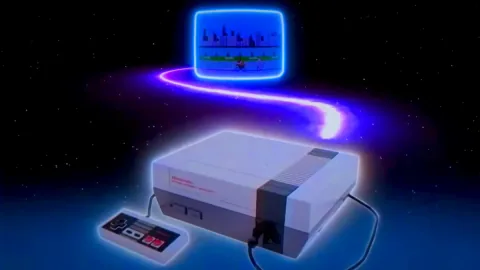
The release of miniaturized consoles like the NES Mini in 2016, the SNES Mini in 2017, and the PlayStation Classic in 2018 initially generated significant excitement. These devices offered fans a way to revisit iconic childhood hardware, updated with modern HDMI connectivity and faithful controller designs, effectively replacing the need for aging cartridges or scratched discs.
Despite the initial nostalgia, these machines often fail to sustain long-term engagement. Users frequently find that the novelty wears off after only a few minutes of play, leading many of these consoles to be relegated to display shelves rather than active use as gaming platforms.
A primary technical limitation is the closed software ecosystem. Because these units rely on pre-installed game selections that cannot be legally expanded, they lack the flexibility required to keep players interested. The curated lists often omit specific cult classics or personal favorites, and the absence of additional features like design documents or online stores further restricts their utility.
Ultimately, these devices function more as collectible display objects than durable gaming platforms. While they succeed as temporary "madeleine de Proust" experiences, they struggle to compete with modern emulation, digital compilations, or hardware that supports original physical media, leaving them destined to gather dust.