Key information
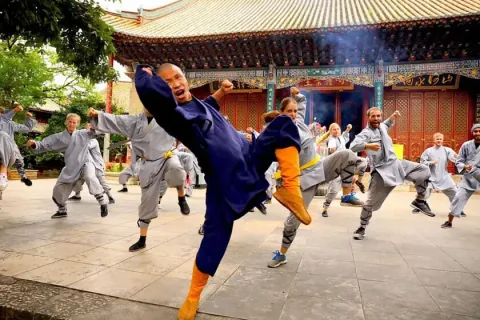
The global perception of Shaolin monks as ancient, invincible warriors is largely a modern construct. While popular culture depicts them as masters of superhuman martial arts, this image is a carefully orchestrated narrative rather than a historical reality.
Historically, the monks' martial involvement stemmed from a pragmatic arrangement in medieval China. Due to the temple's strategic location, monks provided defense for local agricultural settlements in exchange for land, eventually adopting staff fighting and unarmed combat techniques from military forces.
This defensive role was limited and ultimately failed to protect the temple from destruction. The site suffered a major fire in 1928 and further damage during the Cultural Revolution, proving the monks were not the unstoppable warriors portrayed in modern media.
The current image of the Shaolin temple was revitalized in 1982 by the Chinese government to boost tourism, coinciding with the success of the film Shaolin Temple. Today, the site functions as a massive commercial complex, generating significant revenue through martial arts academies, tourism, and merchandising.