Key information
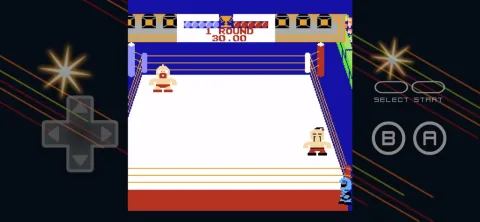
A growing trend of browser-based ports for classic titles from the 2000s and early 2010s is emerging online. These projects allow users to play games directly through a web link, bypassing the need for traditional console hardware, large file downloads, or manual emulator installations.
The creation of these ports relies on a process known as vibe-coding, where individuals task AI agents with generating, refactoring, and assembling code. Recent updates, such as the release of Claude Opus 5.5, have significantly simplified the ability to reverse-engineer source code for browser compatibility.
AI models accelerate the traditional reverse-engineering process by utilizing pattern recognition to translate raw, complex code from game files into modern web languages. Developers frequently utilize WebAssembly to facilitate this transition, effectively replacing manual disassembly and logic rewriting.
This technological shift has caused concern among video game publishers. While the practice currently focuses on retro titles, the ability to easily decompile and port games via AI agents represents a notable change in how software accessibility and distribution are being approached.