معلومات أساسية
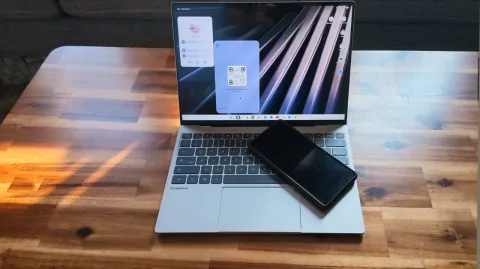
Google has introduced the Googlebook, an AI-focused laptop platform that marks a significant shift from the company's historically budget-friendly Chromebook roots. These new devices require 16GB of RAM and carry starting prices of $999, with some models from Lenovo and Asus reaching into MacBook Air price territory.
A primary selling point for the platform is its integration with Android phones, mirroring the Apple ecosystem experience. However, this feature currently requires a device running Android 17, an operating system that launched four months ago and is limited to a small selection of expensive handsets.
Critics suggest the timing of this launch is problematic. Rising RAM costs, driven by AI demand, have forced prices upward across the industry. While Google aims to leverage its brand, the platform enters a market where competitors offer strong sub-$700 laptops, and consumer interest in premium Google hardware has historically struggled.
Early assessments of Googlebooks from Dell, Lenovo, and HP indicate that while the hardware is nice, the operating system is not yet ready. These challenges, combined with a 20% decline in PC shipments, create an uncertain future for the platform's mainstream adoption.