ព័ត៌មានសំខាន់
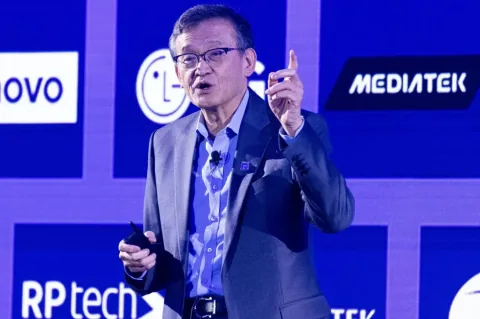
Intel CEO Lip-Bu Tan stated on October 12, 2026, that hardware supply for artificial intelligence will remain below demand for the next two to three years. Speaking at a DBS Bank event in Singapore, Tan cited ongoing limitations in memory availability, manufacturing capacity, and essential data center components as primary drivers of this persistent shortage.
A significant shift in server architecture is impacting hardware requirements. The ratio of GPUs to CPUs has shifted from 8:1 to approximately 4:1 due to the rise of agentic AI, which requires greater autonomy. This change has increased the importance of traditional processors, contributing to a 59% revenue growth in Intel's Data Center and AI division during the second quarter of 2026.
Tan noted that infrastructure expansion faces hurdles beyond chip production, including high capital costs and financing challenges. Investors are increasingly demanding clear evidence of financial returns and productivity gains to justify the massive investments required for data centers, energy systems, and advanced processors.
Furthermore, Tan highlighted that Chinese AI models like DeepSeek, Kimi, and GLM operate at a lower cost per token compared to Western alternatives. This efficiency is pressuring other companies to optimize their own operational costs. Additionally, Tan expressed optimism that quantum computing could see broader adoption within three to five years, provided that practical software applications are developed to utilize the hardware effectively.