Información clave
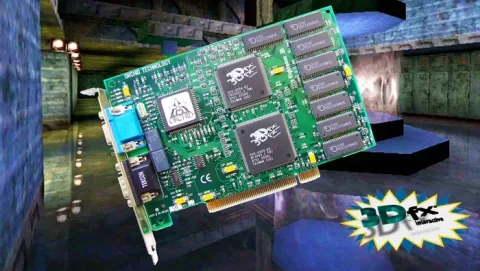
The 3Dfx Voodoo 1 graphics accelerator card marked a significant milestone in PC gaming history upon its release in October 1996. This launch occurred concurrently with the United States debut of the Nintendo 64, signaling a transformative era for three-dimensional gaming.
Before the Voodoo 1, few 3D accelerators existed, and those that did often presented programming challenges for developers. 3Dfx gained substantial industry mindshare and consumer acceptance by 1997, largely due to the implementation of the Glide API. The subsequent release of an OpenGL patch for Quake further solidified the technology's impact on the market.
Despite early successes, 3Dfx faced strategic hurdles, including the loss of a critical partnership with Sega for the Dreamcast console. While the Voodoo2 launch in 1998 brought continued developer support, technical comparisons suggest that while a Voodoo3-based architecture paired with a Hitachi SH-4 CPU would have offered high performance, it lacked the efficiency and specific features found in the rival PowerVR2.
The company's history remains a subject of interest, with recent discussions featuring cofounder Ross Smith exploring the origins of the Voodoo brand and early industry skepticism from firms like Diamond Multimedia. Competition during this period included NEC VideoLogic's PowerVR.