Key information
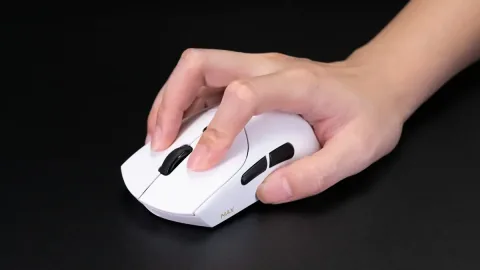
Selecting the correct gaming mouse shape is a critical factor for comfort and performance, often overlooked by beginners who prioritize technical specifications like DPI sensors or switch durability. The physical contour of a mouse determines how long a player can comfortably use the device during extended gaming sessions.
A mouse's shape encompasses its geometric design, including the height of the hump, slope, side curves, and overall dimensions. These physical characteristics are engineered to accommodate various hand sizes and grip styles, such as palm, claw, or fingertip grips.
Different designs serve specific functions, such as distributing muscle load to prevent fatigue or enhancing aim control. Ergonomic models feature asymmetrical designs for natural hand support, while ambidextrous mice offer symmetrical shapes favored for quick movements. Other categories include medium-sized mice for balanced control, compact versions for smaller hands or fingertip users, and high-profile designs with tall humps for larger hands.
By identifying the most suitable shape, players can maximize their gaming potential and improve stability during flick shots or rapid micro-movements. Choosing a design that aligns with individual needs helps ensure long-term comfort and responsiveness.