Key information
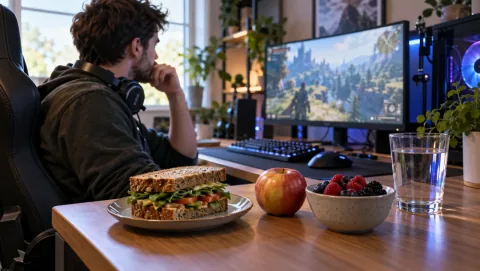
Nutrition serves as fuel for extended gaming sessions, helping players maintain physical comfort and focus. While proper eating habits support the energy required for decision-making and communication, they do not directly increase competitive rank or improve aim. Players should prioritize consistent, reliable eating routines over seeking specific snacks that promise to transform gameplay.
Effective nutritional strategies involve consuming carbohydrates from sources like oats, rice, or beans to provide glucose for the brain. Integrating protein, fruits, and vegetables into regular meals helps players feel satisfied. Maintaining hydration and avoiding the distraction of hunger are essential, as physical discomfort can pull attention away from critical in-game objectives.
Research into specific substances like caffeine shows mixed results. A 2024 study in Frontiers in Sports and Active Living involving 24 first-person-shooter players noted improvements in reaction time and shooting measures, though results varied by task. Experts caution that small studies cannot establish universal routines, and excessive caffeine intake may lead to discomfort or sleep issues.
Players should distinguish between feeling prepared and achieving measurable performance gains. If reaction times or focus seem to decline, factors such as sleep, fatigue, and practice habits are as significant as nutrition. A 2025 review in the International Journal of Esports highlights that research in this field still contains gaps, suggesting that gamers should approach claims of performance-enhancing foods with careful interpretation.