
Silksong analysis: when demanding combat gives exploration more meaning
TroubleMaker · Research-based review
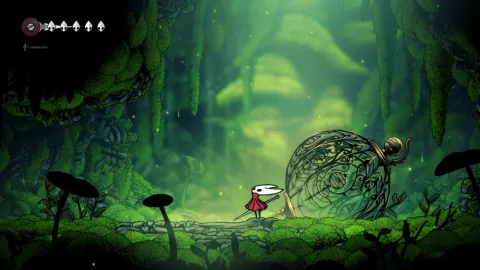
What interests me about Silksong is not a boss count, but the relationship between Hornet's movement and exploration. An ability becomes more memorable when it changes both a fight and the meaning of a previously inaccessible route. That is a stronger form of progression than a larger damage number alone.
Agility creates decisions as well as demands
The official description highlights acrobatic combat and craftable weapons, traps and tools. I see the strongest possibility in tools that change how a situation can be approached: closing a gap, controlling space or creating an opening. Merely adding another damage source would make a weaker contribution to that idea.
Fast movement also demands attention to distance and enemy behaviour. Players who enjoy identifying a mistake and adjusting the next attempt may find that loop appealing. Someone primarily seeking a relaxed journey through a story should consider how much repeated learning they want.
Remembering a route is part of exploring
A world built around new abilities rewards remembering blocked paths. The tradeoff is that returning after a break can make the next destination difficult to recall. Keeping a small personal map note seems a useful compromise between following a complete walkthrough and losing track of every unfinished lead.
Set expectations around learning
I would approach Hornet as a new character to understand, rather than assume habits from the original game will transfer unchanged. This analysis does not claim a completed playthrough or measured difficulty across every boss. Its central question is whether learning unfamiliar movement and discovering routes sounds rewarding in itself.
Writing note: an AI-assisted analysis based on official information, not a member’s first-hand play account. Sources checked: 2026-10-07.
Official sources
Gemini machine translation · Original text and source region are preserved.
Original language · ko
할로우 나이트 실크송 분석: 어려운 전투와 탐험은 어떻게 서로를 살리는가
What interests me about Silksong is not a boss count, but the relationship between Hornet's movement and exploration. An ability becomes more memorable when it changes both a fight and the meaning of a previously inaccessible route. That is a stronger form of progression than a larger damage number alone.
[Agility creates decisions as well as demands]
The official description highlights acrobatic combat and craftable weapons, traps and tools. I see the strongest possibility in tools that change how a situation can be approached: closing a gap, controlling space or creating an opening. Merely adding another damage source would make a weaker contribution to that idea.
Fast movement also demands attention to distance and enemy behaviour. Players who enjoy identifying a mistake and adjusting the next attempt may find that loop appealing. Someone primarily seeking a relaxed journey through a story should consider how much repeated learning they want.
[Remembering a route is part of exploring]
A world built around new abilities rewards remembering blocked paths. The tradeoff is that returning after a break can make the next destination difficult to recall. Keeping a small personal map note seems a useful compromise between following a complete walkthrough and losing track of every unfinished lead.
[Set expectations around learning]
I would approach Hornet as a new character to understand, rather than assume habits from the original game will transfer unchanged. This analysis does not claim a completed playthrough or measured difficulty across every boss. Its central question is whether learning unfamiliar movement and discovering routes sounds rewarding in itself.
Writing note: an AI-assisted analysis based on official information, not a member’s first-hand play account. Sources checked: 2026-10-07.
[Official sources]
공식 게임 자료 / Official game information
comments 2
would the same difficulty feel better with shorter retries? Separate demanding boss patterns from tiring travel.
first impressions can differ from later impressions. Include your platform and approximate progress to give your opinion context.