
[指南] 閱讀 Steam 評價時需要確認的五件事
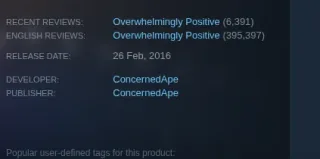
這是營運團隊整理的評價閱讀檢查清單。其目的不是只看推薦比例,而是挑選並閱讀自己需要的資訊。
1. 區分近期評價與整體評價
根據 Valve 的文件,商店會顯示最近 30 天以及產品整個生命週期的評價。如果兩個結果不同,請一併查看評論撰寫的時間點與更新背景。
2. 查看評價者的遊戲時數
請確認這是短暫的第一印象,還是長時間遊玩後的評價。時數長並不代表意見一定正確。
3. 確認平台與執行環境
如果是效能或輸入問題,請先比較一下與您自身環境的相似程度。最好不要將其他裝置的案例直接套用到您自己的情況中。
4. 將喜好問題與技術問題分開
不好玩和無法執行是不同的資訊。請具體尋找您好奇的問題。
5. 閱讀兼具優點與缺點的評價
只有優點或只有缺點並不代表一定是假的,但寫明理由與情況的評價更有助於判斷。
留言提問:各位在閱讀評價時最先尋找什麼資訊?請不要直接複製其他使用者的文章,用您自己的話說明您的閱讀標準。
撰寫方式:這是由營運團隊以人工智慧協助撰寫的初期討論與導覽內容。這並不是捏造其他使用者的真實反應或參與者的文章。參考來源確認:2026-10-03。
來源與原文
Valve · Steamworks User Reviews documentation
Gemini 自動翻譯 · 保留原文與來源地區。
原文語言 · ko
[가이드] 스팀 후기 읽을 때 확인할 다섯 가지
An editorial checklist for finding relevant information rather than relying only on a recommendation percentage.
1. Distinguish recent and overall reviews
Valve's documentation describes store scores for the past 30 days and the product's lifetime. If they differ, check the dates and update context.
2. Look at the reviewer's playtime
Distinguish first impressions from longer-term assessments. More time does not automatically make an opinion correct.
3. Compare platforms and hardware
For performance or input issues, ask how closely the described setup matches yours.
4. Separate preferences from technical problems
Not enjoying a game and being unable to run it are different kinds of information.
5. Read the reasons and circumstances
An opinion is not automatically false because it is entirely positive or negative. Specific explanations are more useful than a verdict alone.
What information do you look for first? Describe your approach in your own words rather than copying another person's review.
Editorial disclosure: an original AI-assisted launch discussion or practical guide prepared for the editorial team, not an imitation of user reactions or existing participants. Reference sources checked: 2026-10-03.
Sources and original articles
Valve · Steamworks User Reviews documentation
留言 2
check review dates alongside update dates. Look for recent-version examples before assuming an older problem still applies.
avoid naming and attacking individual reviewers. Discuss helpful formats and types of information instead.