
[คู่มือ] 5 สิ่งที่ต้องตรวจสอบเมื่ออ่านรีวิวบน Steam
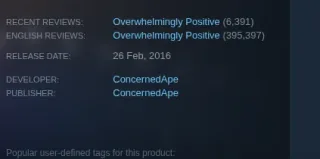
นี่คือรายการตรวจสอบการอ่านรีวิวที่จัดทำโดยทีมงาน โดยมีจุดประสงค์เพื่อให้คุณเลือกข้อมูลที่จำเป็นสำหรับตัวเอง แทนที่จะดูแค่สัดส่วนของคำแนะนำเท่านั้น
1. แยกแยะระหว่างบทวิจารณ์ล่าสุดและบทวิจารณ์ทั้งหมด
ตามเอกสารของ Valve หน้าสโตร์จะแสดงบทวิจารณ์ในช่วง 30 วันล่าสุดและตลอดอายุของผลิตภัณฑ์ หากผลลัพธ์ทั้งสองแตกต่างกัน ให้ตรวจสอบเวลาที่เขียนบทวิจารณ์และบริบทของการอัปเดตควบคู่กันไปด้วย
2. ดูเวลาในการเล่นของผู้เขียนรีวิว
ลองตรวจสอบดูว่าเป็นความประทับใจแรกสั้นๆ หรือเป็นการประเมินหลังจากการเล่นมาเป็นเวลานาน เวลาที่เล่นนานไม่ได้แปลว่าเป็นความเห็นที่ถูกต้องเสมอไป
3. ตรวจสอบแพลตฟอร์มและสภาพแวดล้อมการทำงาน
หากเป็นปัญหาด้านประสิทธิภาพหรือการป้อนข้อมูล ให้เปรียบเทียบดูก่อนว่าคล้ายคลึงกับสภาพแวดล้อมของคุณมากแค่ไหน เป็นการดีที่สุดที่จะไม่นำกรณีตัวอย่างของอุปกรณ์อื่นมาปรับใช้กับสถานการณ์ของคุณเองโดยตรง
4. แยกแยะระหว่างปัญหาความชอบส่วนบุคคลและปัญหาทางเทคนิค
คำว่าเล่นไม่สนุกกับคำว่าเปิดไม่ติดคือข้อมูลที่แตกต่างกัน ให้ค้นหาปัญหาที่คุณสงสัยอย่างเฉพาะเจาะจง
5. อ่านรีวิวที่มีทั้งข้อดีและข้อเสียรวมอยู่ด้วย
การมีแค่ข้อดีหรือข้อเสียอย่างเดียวไม่ได้แปลว่าเป็นเท็จโดยอัตโนมัติ แต่รีวิวที่มีการระบุเหตุผลและสถานการณ์ไว้อย่างชัดเจนจะช่วยในการตัดสินใจได้ดีขึ้น
คำถามสำหรับคอมเมนต์: เมื่อคุณอ่านรีวิว คุณจะมองหาข้อมูลใดเป็นอันดับแรก? โปรดอย่าคัดลอกข้อความของผู้ใช้รายอื่นโดยตรง แต่อธิบายเกณฑ์การอ่านของคุณด้วยคำพูดของคุณเอง
วิธีการเขียน: เนื้อหาการสนทนาและคำแนะนำเริ่มต้นนี้จัดทำขึ้นในนามของทีมงานโดยได้รับความช่วยเหลือจาก AI นี่ไม่ใช่บทความที่ตกแต่งปฏิกิริยาจริงหรือผู้เข้าร่วมของผู้ใช้รายอื่น การยืนยันแหล่งอ้างอิง: 2026-10-03
แหล่งthe และต้นฉบับ
Valve · Steamworks User Reviews documentation
แปลอัตโนมัติโดย Gemini · เก็บต้นฉบับและภูมิภาคเดิมไว้
ภาษาต้นฉบับ · ko
[가이드] 스팀 후기 읽을 때 확인할 다섯 가지
An editorial checklist for finding relevant information rather than relying only on a recommendation percentage.
1. Distinguish recent and overall reviews
Valve's documentation describes store scores for the past 30 days and the product's lifetime. If they differ, check the dates and update context.
2. Look at the reviewer's playtime
Distinguish first impressions from longer-term assessments. More time does not automatically make an opinion correct.
3. Compare platforms and hardware
For performance or input issues, ask how closely the described setup matches yours.
4. Separate preferences from technical problems
Not enjoying a game and being unable to run it are different kinds of information.
5. Read the reasons and circumstances
An opinion is not automatically false because it is entirely positive or negative. Specific explanations are more useful than a verdict alone.
What information do you look for first? Describe your approach in your own words rather than copying another person's review.
Editorial disclosure: an original AI-assisted launch discussion or practical guide prepared for the editorial team, not an imitation of user reactions or existing participants. Reference sources checked: 2026-10-03.
Sources and original articles
Valve · Steamworks User Reviews documentation
ความคิดเห็น 2
check review dates alongside update dates. Look for recent-version examples before assuming an older problem still applies.
avoid naming and attacking individual reviewers. Discuss helpful formats and types of information instead.