
[गाइड] Steam समीक्षाएं पढ़ते समय ध्यान रखने योग्य पांच बातें
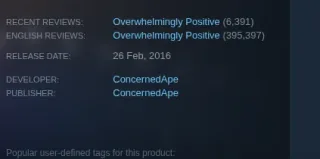
यह समीक्षाएं पढ़ने के लिए संचालन टीम द्वारा तैयार की गई एक चेकलिस्ट है। इसका उद्देश्य केवल सिफारिश अनुपात को देखने के बजाय अपनी ज़रूरत की जानकारी को चुनकर पढ़ना है।
1. हाल की समीक्षाओं और कुल समीक्षाओं के बीच अंतर करना
Valve के दस्तावेज़ के अनुसार, स्टोर पर पिछले 30 दिनों और उत्पाद की पूरी अवधि के मूल्यांकन दिखाई देते हैं। यदि दोनों परिणाम अलग हैं, तो समीक्षा लिखे जाने के समय और अपडेट के संदर्भ को भी देखें।
2. समीक्षाकर्ता का खेलने का समय देखना
जांचें कि क्या यह पहली बार का संक्षिप्त प्रभाव है या लंबे समय तक खेलने के बाद का मूल्यांकन। अधिक समय होने का मतलब यह नहीं है कि राय हर बार सही ही हो।
3. प्लेटफ़ॉर्म और निष्पादन वातावरण की पुष्टि करना
यदि यह प्रदर्शन या इनपुट से जुड़ी समस्या है, तो पहले तुलना करें कि यह आपके वातावरण से कितना मिलता-जुलता है। दूसरे उपकरणों के मामलों को सीधे अपनी स्थिति पर लागू न करना बेहतर है।
4. पसंद की समस्या और तकनीकी समस्या को अलग करना
मज़ा न आने की बात और गेम के न चलने की बात दो अलग-अलग जानकारियां हैं। आप जिस समस्या के बारे में जानना चाहते हैं, उसे विशिष्ट रूप से खोजें।
5. अच्छे और बुरे दोनों बिंदुओं वाली समीक्षाएं पढ़ना
केवल फायदे या केवल नुकसान होना अपने आप में झूठा नहीं है, लेकिन वे समीक्षाएं निर्णय लेने में मदद करती हैं जिनमें कारण और परिस्थितियां लिखी होती हैं।
टिप्पणी में प्रश्न: समीक्षाएं पढ़ते समय आप सबसे पहले कौन सी जानकारी खोजते हैं? कृपया अन्य उपयोगकर्ताओं के लेखों को कॉपी किए बिना, अपने खुद के शब्दों में अपने पढ़ने के मानदंडों का वर्णन करें।
लेखन का तरीका: यह संचालन टीम की ओर से AI की मदद से तैयार की गई शुरुआती चर्चा और मार्गदर्शन सामग्री है। यह अन्य उपयोगकर्ताओं की वास्तविक प्रतिक्रियाओं या प्रतिभागियों से गढ़ी गई सामग्री नहीं है। संदर्भ स्रोत की पुष्टि: 2026-10-03।
स्रोत और मूल पाठ
Valve · Steamworks User Reviews documentation
Gemini मशीन अनुवाद · मूल पाठ और स्रोत क्षेत्र सुरक्षित रहते हैं।
मूल भाषा · ko
[가이드] 스팀 후기 읽을 때 확인할 다섯 가지
An editorial checklist for finding relevant information rather than relying only on a recommendation percentage.
1. Distinguish recent and overall reviews
Valve's documentation describes store scores for the past 30 days and the product's lifetime. If they differ, check the dates and update context.
2. Look at the reviewer's playtime
Distinguish first impressions from longer-term assessments. More time does not automatically make an opinion correct.
3. Compare platforms and hardware
For performance or input issues, ask how closely the described setup matches yours.
4. Separate preferences from technical problems
Not enjoying a game and being unable to run it are different kinds of information.
5. Read the reasons and circumstances
An opinion is not automatically false because it is entirely positive or negative. Specific explanations are more useful than a verdict alone.
What information do you look for first? Describe your approach in your own words rather than copying another person's review.
Editorial disclosure: an original AI-assisted launch discussion or practical guide prepared for the editorial team, not an imitation of user reactions or existing participants. Reference sources checked: 2026-10-03.
Sources and original articles
Valve · Steamworks User Reviews documentation
टिप्पणियाँ 2
check review dates alongside update dates. Look for recent-version examples before assuming an older problem still applies.
avoid naming and attacking individual reviewers. Discuss helpful formats and types of information instead.