معلومات أساسية
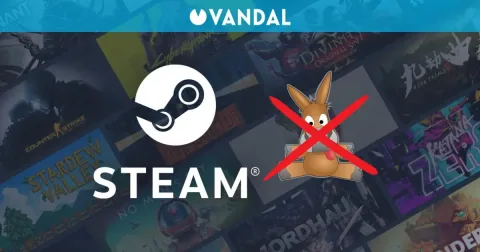
Steam, the prominent PC distribution platform, was originally conceived with a significantly different architecture than its current iteration. According to Minh Le, the co-creator of Counter-Strike, the service was initially known as Grid and was designed to function as a peer-to-peer distribution system.
The platform's early design intended to utilize a network of computers acting simultaneously as clients and servers, mirroring the operational principles of applications like BitTorrent or eMule. This approach was meant to facilitate software updates for Valve's games.
However, Minh Le reports that the peer-to-peer model was ultimately abandoned due to security concerns regarding the hosting of files on individual user machines. Consequently, Valve transitioned to the traditional content distribution model currently in use, where the company manages content directly.
Since its inception over 20 years ago, Steam has evolved into a massive ecosystem supporting various hardware, including Steam Deck. The platform's financial success remains substantial, with recent reports indicating it is on track to exceed 20 billion dollars in annual revenue.