معلومات أساسية
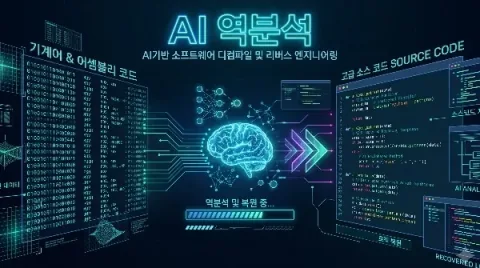
The emergence of AI coding agents is revolutionizing game reverse engineering, allowing developers to decompile software without original source code. By utilizing tools like Claude Code and ChatGPT Codex, engineers can now infer and redesign game architecture, effectively breaking down long-standing physical barriers such as platform exclusivity and hardware limitations.
AI-assisted native porting has moved beyond traditional emulation. Notable examples include Ammar Reshi’s port of Command & Conquer: Generals Zero Hour to iOS, where AI helped rebuild the engine and adapt RTS controls for touch interfaces. Similarly, projects like bbhost have enabled native PC execution of Bloodborne, supporting high frame rates and ultrawide resolutions.
In South Korea, this technology is primarily used to restore lost mobile titles and create user-made translations. Projects like the restoration of Rhythm Star 1 demonstrate how AI can adapt legacy code for modern screen ratios. Furthermore, reverse engineering allows users to extract scripts for translation, making previously inaccessible games playable for local audiences.
Industry responses remain mixed. While Xbox CEO Asha Sharma announced the creation of Xbox Labs to explore these technologies, other companies like Rockstar Games and Take-Two Interactive have issued DMCA takedowns against unauthorized ports. Experts emphasize that while AI offers potential for game preservation, establishing new licensing frameworks and ethical standards is essential to address copyright concerns and prevent illegal activities.